Report
Conference report “Sick, Suffering, Healed?”: Interdisciplinary Perspectives on Patient History
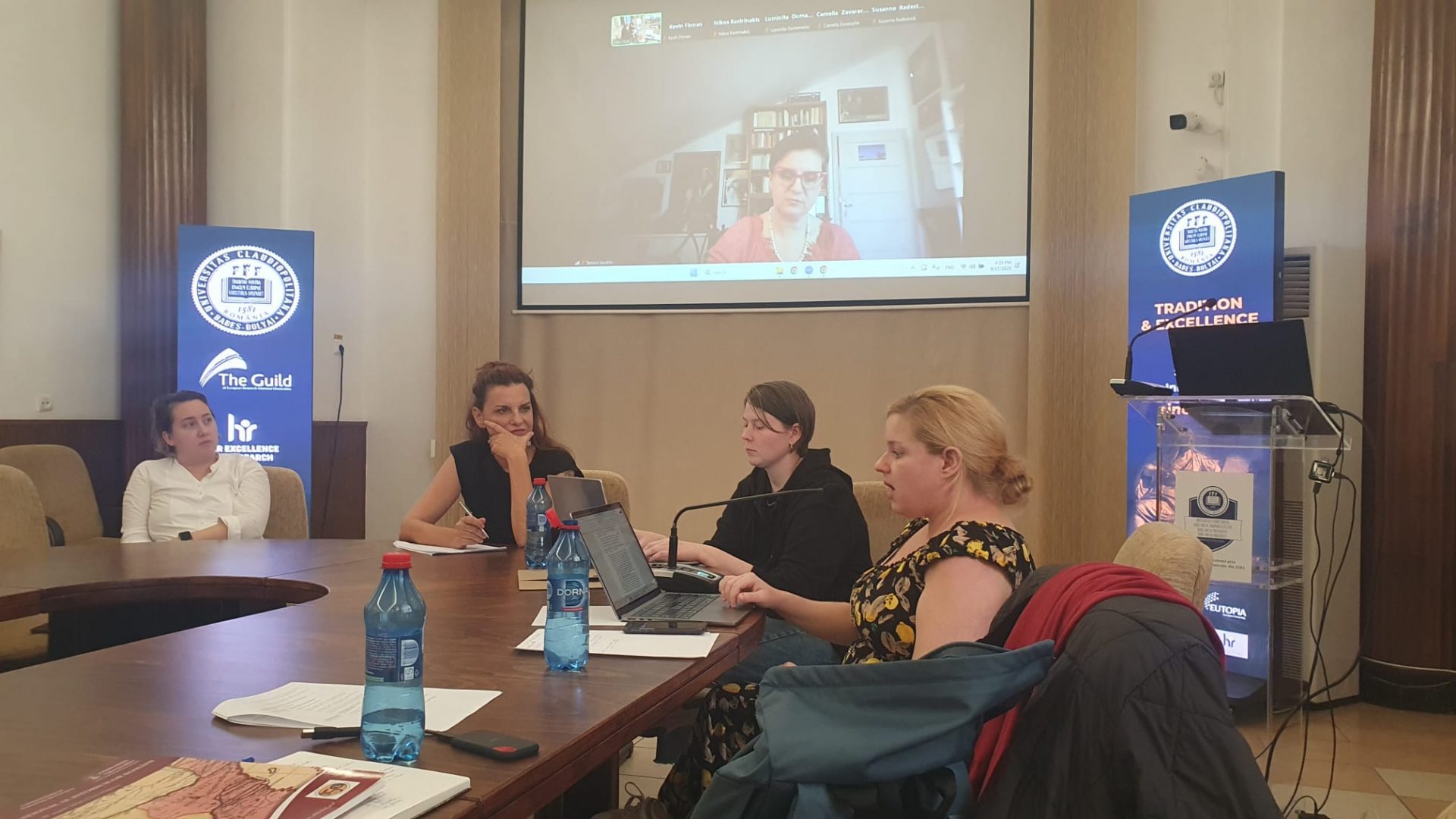
Organized in Cluj-Napoca, 16.09.2025 − 17.09.2025, Center for Population Studies, Babeș-Bolyai University
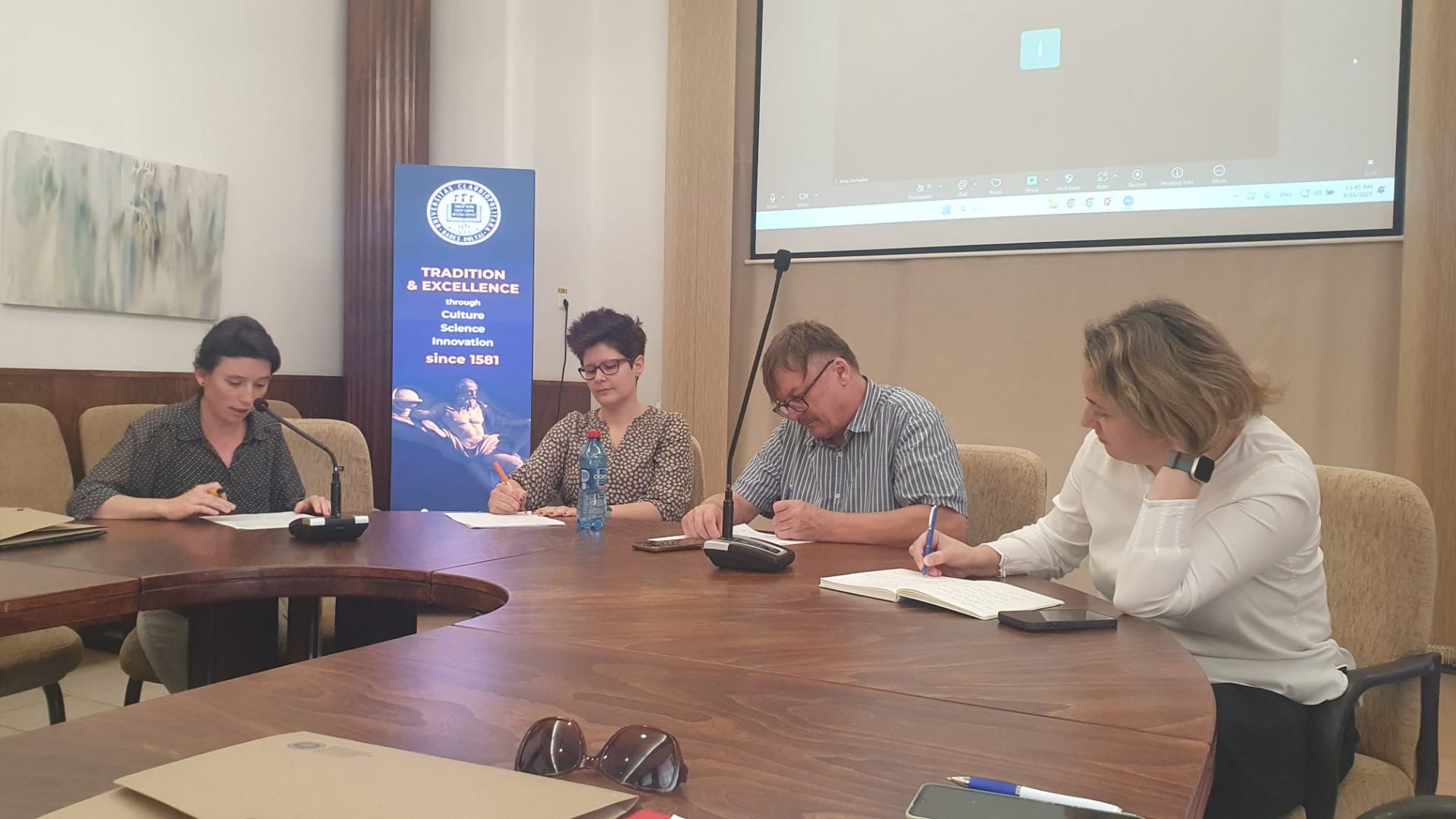
Patients were the focus of scientific debate for a two-day conference in Cluj, inviting scholars to discuss patienthood from new perspectives from the 18th century up to the present. The conference was organized by Oana Sorescu-Iudean, Friederike Kind-Kovács and Christian Sammer, as a joint enterprise of Working Group 3 (patients) of the COST-Action 22159 “National, International and Transnational Histories of Healthcare, 1850-2000″ (EuroHealthHist). All contributions addressed and discussed one central question, regardless of their focus: Who should be considered a patient? Furthermore, when is this “state” considered to start or end? Its many forms, presented during the workshop, revealed that patienthood is not limited to hospital admission and discharge following the linear approach of becoming sick, getting treatment, and becoming healthy again. Rather, it is contested as a “phase” in the case of long-term illnesses, incurable ailments, and disabilities. Patient support organizations played a crucial role when “discharged” did not mean “healed.” Mental health problems and the institutions for their treatment (or confinement) had their own specific challenges and contested interpretations of patienthood. Additionally, even prospective patients could become the subjects of health organizations in preventive medicine. Many contributions highlighted the ever-increasing political and financial interest in the field of healthcare.
The straightforward approach to a patient-centered history is to reveal the patient perspective, the patient experience, and the agency of patients primarily from ego-documents, as a counterargument to the medical perspective. Many presenters used such sources to show the emotions and thoughts in patients’ voices, discussing at the same time the methodological difficulties of their interpretation. Historical sources are more generous in the reconstruction of the medical perspective on patients. In this all-scientific approach, patients often emerge as mere subjects of medical observation, whose bodies react to different treatments and administered drugs. The medical discourse sometimes even sheds a negative light on (prospective) patients who might refuse to follow medical advice, or are portrayed as ignorant, to the great disappointment of physicians. The contributions presented during the workshop challenged the possibilities in such secondary sources and brought to light a patient-centered history. From this perspective, even presumed experience counts, and it often reflects the changing attitudes towards patients, sickness, disability, and healing.
The issue of making up patients was addressed already from the start in YLVA SÖDERFELDT’s (Uppsala) opening keynote presentation, questioning whether the history of patient organizations can be considered patient-oriented history. These 20th-century organizations played a crucial role in shaping concepts of disease, and patients became active in constructing patienthood through their organizations. As an illustrative example, when the patient organization for tuberculosis patients was losing the focus group it represented due to decreasing membership, instead of giving up the well-established network, it reinvented itself as the association for the “heart sick.” The second keynote presentation by BIRGIT NEMEC (Vienna) is also linked to patient agency, here in the form of reaction to misinformation, medical consumerism, and drug-related birth defects, embedded in the broader topic of reproductive health from the 1960s to the present. The author uses oral history to present the patients’ perspective within a pharmaceutical business scandal related to Duogynon and activism for drug safety.
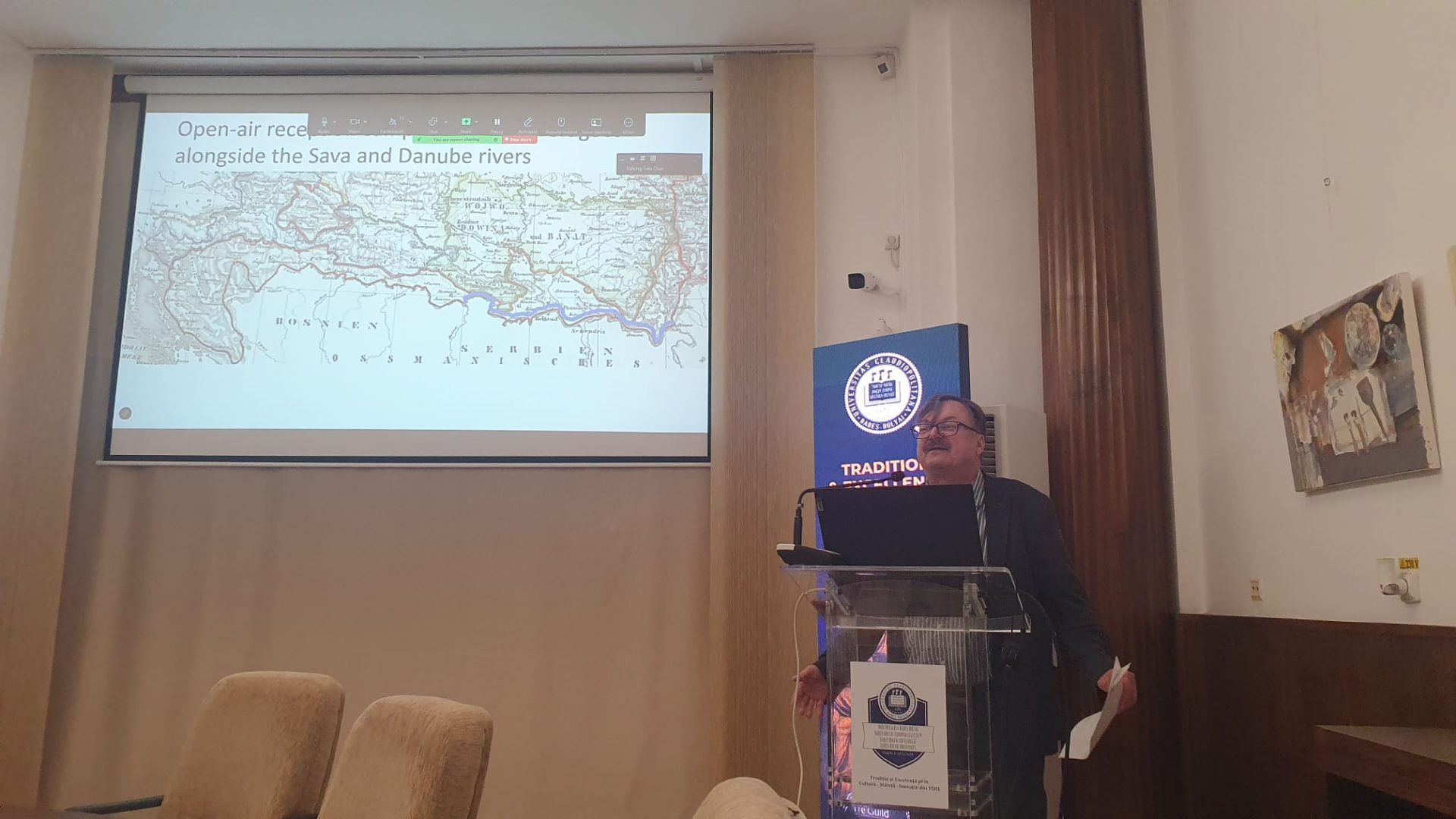
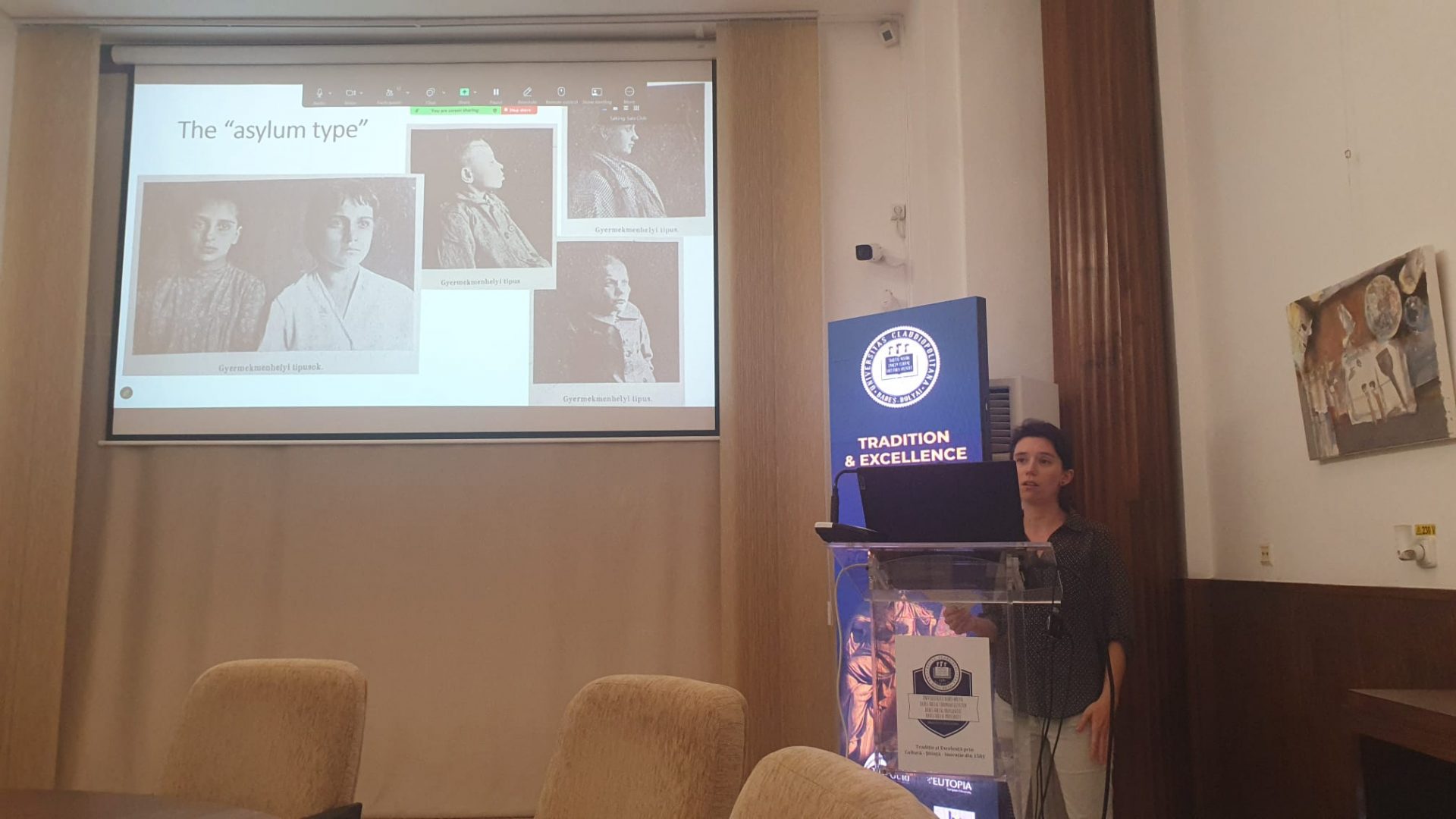
Patient agency was a far cry from the patients discussed in the first panel. Here, CHRISTIAN PROMITZER (Graz) presented plague patients within sanitary cordons on the military border, where doctors were sent to track the disease and not to treat it (for there was no effective remedy). These patients and suspected patients were expected to be obedient above all. The supervision of patients as a security measure was one of the main duties of the mental asylum in late 19th-century Budapest, presented by JANKA KOVÁCS (Budapest). The author based her research on a collection of patients’ letters voicing their experiences, and complaints, raising at the same time methodological issues such as the strong tie of these letters to the institutional setting, arguing that the researcher can see only as far as the doctor could see. A different type of patient emerges in OANA SORESCU-IUDEAN’s (Cluj) research on the Transylvanian Saxon community reflected in the 18th- and 19th-century probate records. These types of sources were created with the purpose of securing goods and payments, and consequently the patients emerging from it were those who were willing to pay for their treatment (consultation and medicine). It captures thus a period when the physician greatly depended on the patients who paid for their services, a practice that had changed significantly in the late 19th century and afterwards with the increased involvement of the state in public health, ultimately securing almost universal access to medical treatment in the welfare state.
In the next panel on parents-to-be, the concept of the patient was stretched further. AGLAIA CHATJOULI (Mytilini) and IVI DASKALAKI (Mytilini) talked about the influence of the internet in creating a (mis)informed and empowered patienthood, studied in the cases of patients facing infertility and medically assisted reproduction in Greece. The authors argued that access to information challenges the conventional (often hierarchical) doctor-patient relationship. CIARA HENDERSON’s (Dublin) study followed the emergence of perinatal bereavement care from the 1930s onward. Based on the testimonies of mothers, the author highlighted that when perinatal deaths occurred (miscarriage, stillbirth, neonatal death), hospitalized mothers were often excluded from full patient status, and their psychological trauma was not handled professionally. Staying on the topic of the highly medicalized childbirth of the 20th century, in the next panel ALENA LOCHMANNOVÁ (Prague) discussed the issue of separation of the newborn from the mother in socialist Czechoslovakia and how this evolved over time. Within this state-controlled ideological framework, separation was considered a safety measure. With technological innovations such as the glass incubator, proximity was not absent but reframed as controlled. In FRIEDERIKE KIND-KOVÁCS’s (Dresden) study on the child sanatoria at Lake Balaton, the politics of the state emerges from the narratives on children’s bodies and health, in a form characteristic of the interwar period. Towards the Second World War, because of territorial shifts and the rise of extremism, the nationalist and anti-Semitic tone infiltrated even more evidently into the discourse on vulnerable children’s health. Vulnerability was the criterion for admittance and medical treatment in the Hungarian State Children’s Asylums (early 20th century), as shown in EDINA GÁL’s (Warsaw) presentation. These child protection institutions, doubling as hospitals, offered medical care on an exclusionary basis only for those fitting the legal requirements of “abandonment.” Treating the sick among the vulnerable brought specific challenges for the physicians dealing with a very heterogeneous group of children, which ranged from infants to teenagers.
The visual elements dominated the panel focusing on managing patients. The presentations discussed the different roles of visual representation, offering a great variety of (motion) pictures on patients, sickness, and health. DISA RUNEBY (Lund) argued that endocrinology was a very visual medical field in the first half of the 20th century, addressing at the same time issues such as the ethics of displaying and viewing patient photographs. The author analyzed a corpus of photographic material taken by doctors of patients suffering from hormonal diseases, where the before-and-after treatment photos show a visually impressive improvement. ANDREW BURCHELL (Uppsala) presented the role of a promotional film on rheumatism (and passages from the film itself) in the creation of the “rheumatic patient.” The film, created by the British Rheumatic Association in the late 1940s, can also be interpreted as a “patient organization text,” which shows how this organization was establishing its place in the ecosystem of British patient organizations, while also employing selected patient voices. CHRISTIAN SAMMER’s (Heidelberg) research ventured into the field of preventive medicine and health education, where the figures of Ben and Anne channeled basic hygienic knowledge to children in the GDR. This colorful exposition in the Dresden Hygienic Museum showed children that health education should be fun, but at the same time it came with great responsibility, and through knowledge it made children conscious and responsible for their own health.
A panel was dedicated to the legal frameworks related to patients and disability. DANIELA MÂRZA (Cluj) scrutinized the provisions of the 1930 sanitary law of interwar Romania in creating the legal status of the patient. The author points out that this legal document is part of a biopolitical project and shows how certain illnesses and patients were categorized, and how treatment and surveillance intertwined in the case of contagious and venereal diseases. NIKOS KASTRINAKIS (Crete) discussed the issue of workplace accidents and disability in interwar Greece. Starting from the changing legal provisions defining workplace accidents as “inherent risk” rather than fault, the author offers a deeper insight into this topic with the analysis of court documents and testimonies. JULIA REED (Uppsala) analyzed yet another category of patienthood following the introduction of the compulsory national insurance program in France in 1946. She argues that chronic patienthood fell between the categories of disability (infirmity) and long-term illness defined in relation to labor capacity.
The final panel focuses on patient experience embedded in different forms of patient storytelling. DIMITRA VASSILIADOU (Mytilini) studied conditions like melancholia, depression, and various mental disorders in a time when these were not recognized as diseases, positioning them on the edges of patienthood. The first-person accounts (from Greece, 1900–1940) reveal how the patients tried to express their condition or state in a lay vocabulary, for instance asking to cure “the fog” from their head, containing at the same time many visions related to the supernatural and the divine, influenced by local superstitions. In the next presentation, TAMARA SANDRIN (Udine) and LORENZO LORUSSO (Merate) showed how historical footage of patients suffering from shell shock syndrome can be considered as a form of autobiographical narration. Unlike in propaganda films on the rehabilitation of war neurosis patients, in the footage shot in the Turin military hospital, a soldier involuntarily reenacts a battle scene in a hospital setting with a pantomime of shootings; thus, his body becomes the narration. In the last presentation of the conference, IULIIA IASHCHENKO (Rome) studied the children’s experiences of those sent to Italy after the Chernobyl nuclear catastrophe within an international humanitarian rehabilitation program. Alongside medical conditions (thyroid dysfunctions), social vulnerability was also considered as a selection criterion for the children taking part in the program of short-term stays with Italian host families. First-person accounts record the many positive memories of this “Italian tale” as a cultural experience against the backdrop of health issues related to radiation exposure.
Author: Edina Gál
University of Warsaw
Conference report also published at: https://www.hsozkult.de/conferencereport/id/fdkn-160601